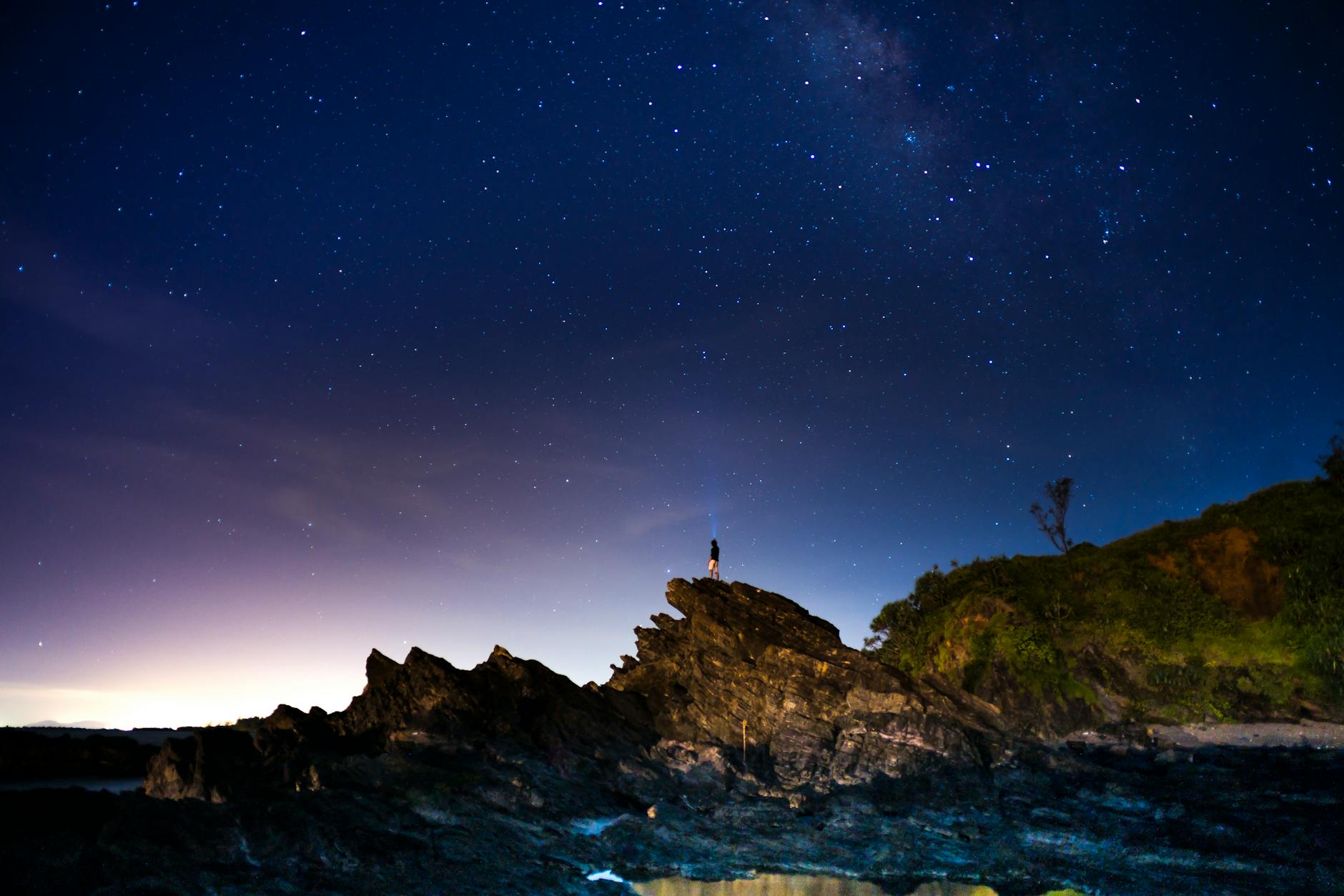
For those captivated by the celestial ballet above, exploring the Night Sky in Iran offers a profound connection to the cosmos. Whether it’s the dazzling brilliance of the Stars, the ethereal glow of the Milky Way, the life-giving warmth of the Sun, or the serene presence of the Moon, the Iranian firmament presents a spectacle of unparalleled beauty. Understanding this celestial tapestry requires an appreciation for the natural phenomena that shape our perception of the Night Sky in Iran, from ancient astronomical observations to modern stargazing. The constant interplay of light and shadow, the predictable cycles of the Sun and Moon, and the countless distant Stars paint a dynamic picture across the heavens.
Table of Contents
- Executive Summary
- Understanding the Night Sky in Iran
- The Influence of Celestial Bodies on the Night Sky in Iran
- Stars: The Distant Luminaries
- The Milky Way: Our Galactic Home
- The Moon: Earth’s Constant Companion
- The Sun: The Day’s Dominant Force (and Precursor to Night)
- Factors Affecting Visibility of the Night Sky in Iran
- Light Pollution
- Atmospheric Conditions
- Geographical Location and Elevation
- Stargazing Destinations and Opportunities in Iran
- Historical and Cultural Significance of the Night Sky in Iran
- Practical Tips for Experiencing the Night Sky in Iran
- Conclusion and Call to Action
Executive Summary
- The Night Sky in Iran, rich with Stars, the Milky Way, the Moon, and the afterglow of the Sun, offers a breathtaking celestial experience, amplified by its relatively low light pollution in many regions.
- Key factors influencing visibility include atmospheric clarity, geographical location, and the presence of natural light from the Moon, alongside man-made light pollution.
- Iran boasts numerous sites ideal for stargazing, from deserts and mountains to dedicated observatories, providing opportunities to witness the Stars and the Milky Way in remarkable detail.
- Historical Persian astronomy has deeply intertwined with celestial observation, influencing culture, timekeeping, and art, underscoring the enduring significance of the Night Sky in Iran.
- Successful stargazing requires planning, awareness of lunar cycles, and often venturing away from urban centers to fully appreciate the observable Night Sky in Iran.
Understanding the Night Sky in Iran
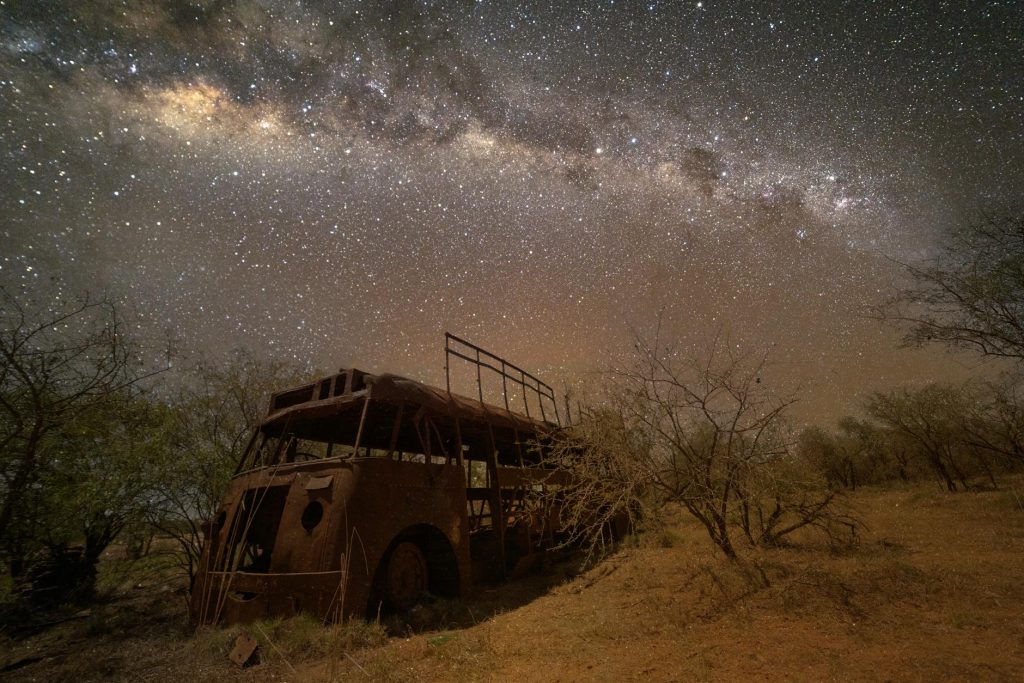
The grandeur of the Night Sky in Iran is a subject that has captivated humanity for millennia, and for good reason. Far from the overwhelming light pollution that plagues many densely populated modern cities, large swathes of Iran offer remarkably clear and dark skies, providing an exceptional canvas for celestial observation. The sheer number of visible Stars can be astonishing, and on a clear, moonless night, the distinct band of the Milky Way arches spectacularly overhead. This cosmic spectacle is a constant, yet ever-changing, reminder of our place in the universe, with the predictable phases of the Moon and the distant glimmer of countless Stars dictating the mood and visibility of the nocturnal heavens. The residual light from the departed Sun also plays a role in the twilight hours, gradually giving way to the full glory of the nocturnal panorama. Examining the Night Sky in Iran is not just a passive viewing experience; it’s an invitation to connect with the vastness of space.
The Influence of Celestial Bodies on the Night Sky in Iran
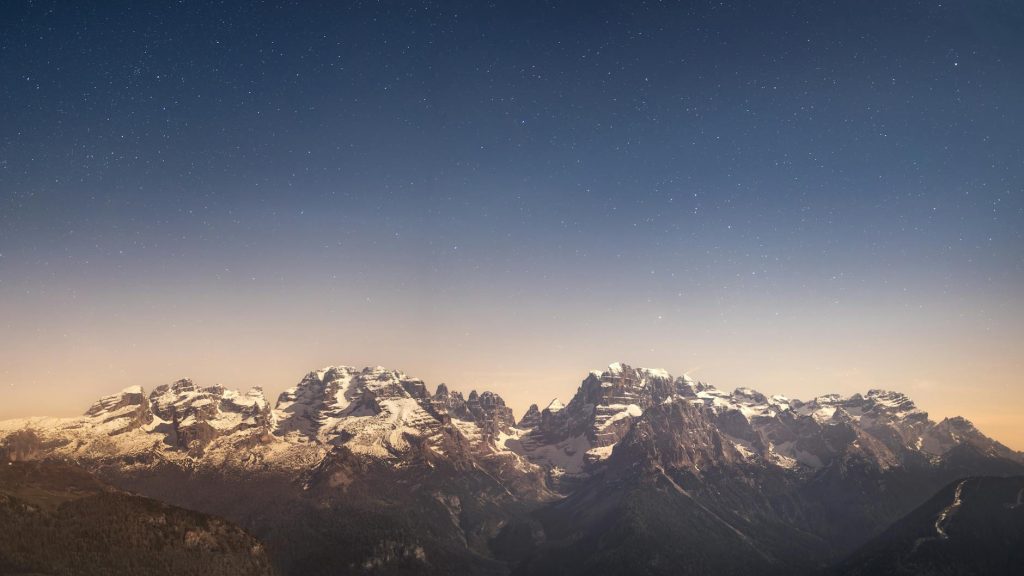
The visual richness of the Night Sky in Iran is a direct consequence of the interplay between the distant cosmos and our immediate celestial neighbors. The primary components are the innumerable Stars, our own galaxy’s Milky Way, the ever-present Moon, and the setting Sun. Each element contributes uniquely to the observable celestial display.
Stars: The Distant Luminaries
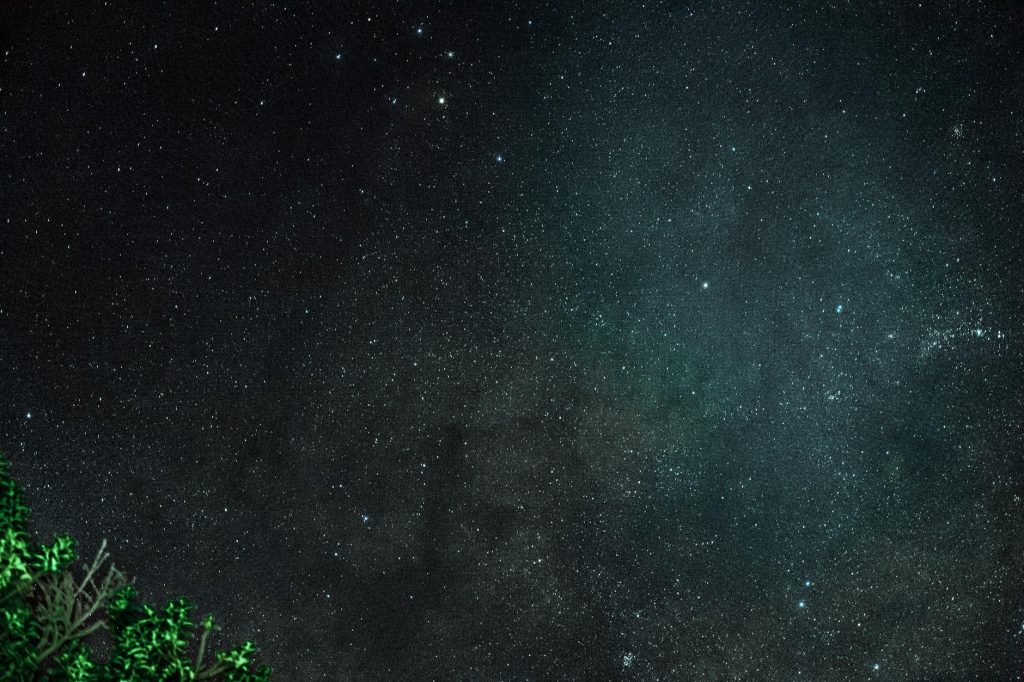
The countless Stars visible in the Iranian night sky are the fundamental building blocks of our cosmic view. These distant suns, ranging in brightness and color, form familiar constellations and contribute to the overall luminance of the night. Their sheer number, especially away from urban centers, creates a sparkling, dynamic backdrop. Observing these Stars has been a fundamental human activity for millennia, guiding travelers and inspiring astronomers. When gazing at the Night Sky in Iran, the densest star fields often suggest our galaxy’s core, hinting at the grander structure of the Milky Way.
The Milky Way: Our Galactic Home
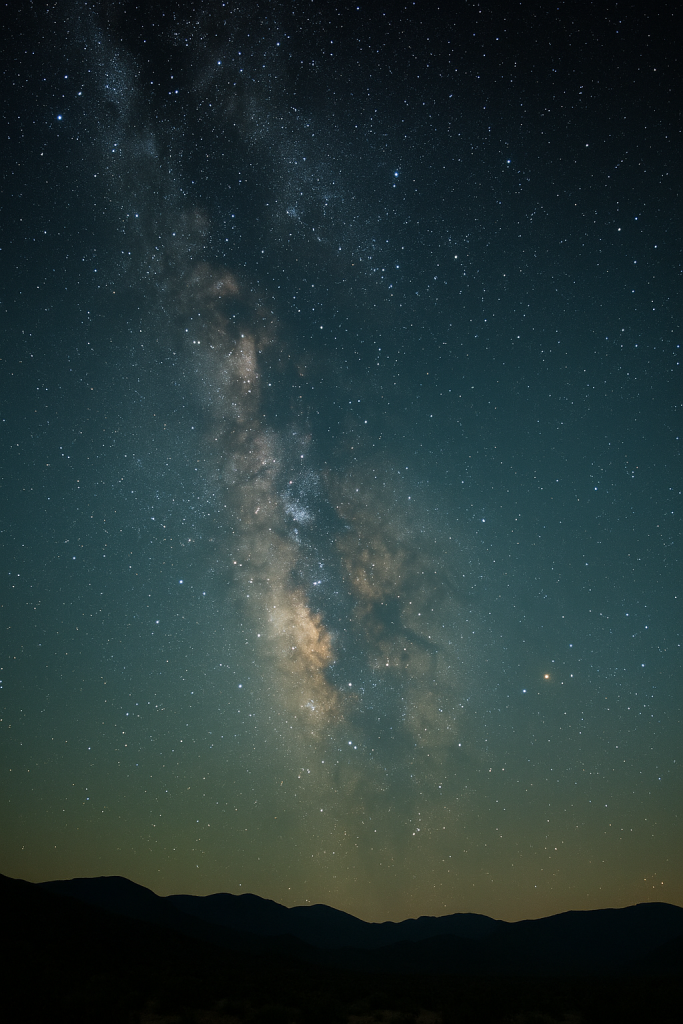
Perhaps the most awe-inspiring sight in a truly dark Night Sky in Iran is the Milky Way. This is our home galaxy, viewed from within its disk. On very dark, clear nights, it appears as a luminous, hazy band stretching across the sky, composed of millions of stars too distant to resolve individually. Its visibility is a strong indicator of how dark the sky is, making it a prime target for astrophotographers and amateur astronomers seeking to capture the essence of the Night Sky in Iran. Witnessing the Milky Way at its most prominent is an unforgettable experience, a tangible connection to our galactic neighborhood.
The Moon: Earth’s Constant Companion
The Moon is our closest celestial neighbor and its influence on the Night Sky in Iran is undeniable. Its phases dramatically alter the viewing conditions for fainter celestial objects. During a full Moon, its bright light can wash out many Stars and make the Milky Way nearly invisible, effectively turning night into a dim twilight. Conversely, a new moon phase provides the darkest skies, offering the best opportunities to see fainter wonders like the Milky Way. The Moon itself is a fascinating object to observe, with its craters and maria visible even with simple binoculars. Its journey across the sky, from rising to setting, also choreographs the nocturnal display above Iran.
The Sun: The Day’s Dominant Force (and Precursor to Night)
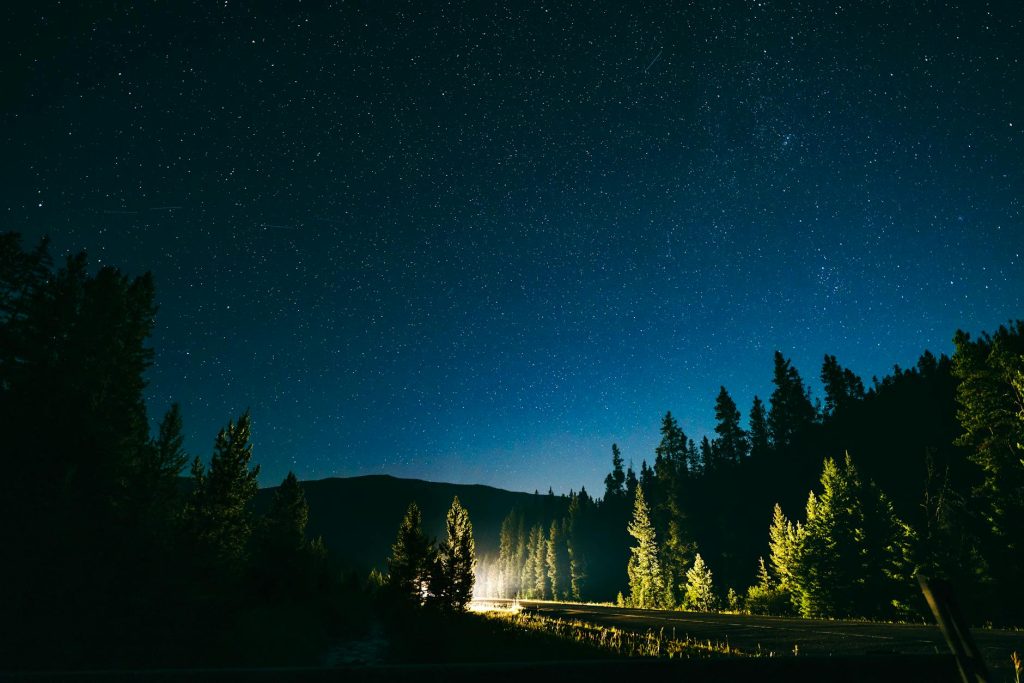
While not typically associated with the Night Sky in Iran, the Sun is the ultimate director of our day-night cycle. Its daily transit dictates when the stars emerge. The period immediately following sunset, known as civil twilight, is still influenced by the sun’s lingering light, gradually allowing fainter stars and eventually the Milky Way to become visible. Similarly, the predawn twilight is the Sun’s herald, gradually brightening the eastern horizon and signaling the end of the visible Night Sky in Iran. Understanding the Sun’s cycle is crucial for planning any stargazing activity.
Factors Affecting Visibility of the Night Sky in Iran
Even in regions renowned for their dark skies, several factors can influence the clarity and brilliance of the Night Sky in Iran. Being aware of these variables is essential for maximizing viewing opportunities.
Light Pollution
Light pollution, the excessive and misdirected use of artificial light, is the most significant impediment to observing the Night Sky in Iran and elsewhere. Urban centers, industrial areas, and even poorly designed street lighting can create a glowing halo that obscures fainter celestial objects. Fortunately, many rural and desert areas in Iran remain relatively free from this pervasive issue, allowing for spectacular views of Stars and the Milky Way. Identifying areas with minimal light pollution is the first step for any serious stargazing endeavor aiming to appreciate the full magnificence of the Night Sky in Iran.
Atmospheric Conditions
The Earth’s atmosphere, while essential for life, can also impact astronomical observations. Haze, dust particles, humidity, and turbulence (scintillation) can scatter light from Stars and planets, reducing their apparent brightness and clarity. High altitudes and dry climates, common in many parts of Iran, generally offer clearer air. A stable atmosphere, free from strong winds or temperature inversions, will contribute to sharper views, especially for those using telescopes to examine planets or the intricate details of the Moon’s surface. Good atmospheric conditions are vital for appreciating the delicate structures within the Milky Way.
Geographical Location and Elevation
Iran’s diverse geography offers a range of environments for stargazing. High-elevation deserts, such as the Dasht-e Kavir or Dasht-e Lut, are particularly favored for their vast, open spaces, dry air, and minimal population density, leading to exceptionally dark skies. Mountain ranges can also provide elevated vantage points, lifting observers above some of the lower atmospheric haze. Coastal regions might experience more humidity, potentially impacting clarity. The specific latitude of one’s location in Iran also influences which constellations are visible throughout the year, as the celestial sphere appears to rotate around different poles depending on location. Understanding how your chosen spot on the map affects the view of the Night Sky in Iran is key.
Stargazing Destinations and Opportunities in Iran
Iran offers a treasure trove of locations that provide exceptional opportunities to witness the Night Sky in Iran, from its dazzling Stars to the faint glow of the Milky Way. These destinations often combine natural beauty with relative darkness, making them ideal for amateur astronomers and casual stargazers alike.
- Desert Regions: Areas like the Maranjab Desert and the Kavir National Park, located not far from major cities, become incredibly dark after sunset. The vast, flat expanses offer unobstructed views of the entire celestial dome, perfect for spotting constellations and the Milky Way. The lack of significant population centers in these regions means minimal light pollution, allowing the Sun’s absence to truly reveal the universe.
- Mountainous Areas: The Alborz and Zagros mountain ranges offer higher elevations, which can mean clearer, thinner air. Locations near resorts or national parks in these regions can provide excellent stargazing. The elevated perspective allows for a broader sweep of the sky, revealing a grander vista of the Night Sky in Iran.
- National Parks and Protected Areas: Many of Iran’s national parks, designed for conservation, also boast exceptionally dark skies. These areas are typically remote with limited infrastructure, which naturally preserves the nocturnal environment. They can be ideal for observing the Moon and planets without interference.
- Observatories: While fewer in number, Iran does have astronomical observatories, such as the Shiraz Observatory. These facilities often have public viewing nights and offer a more professional and guided experience, allowing visitors to use advanced equipment to study the Stars and other celestial phenomena.
Each of these locations provides a unique setting to immerse oneself in the wonders of the Night Sky in Iran, from the most familiar phases of the Moon to the most distant, faint Stars.
Historical and Cultural Significance of the Night Sky in Iran
The allure of the Night Sky in Iran extends far beyond its aesthetic beauty; it is deeply woven into the fabric of Persian history, culture, and science. For millennia, the movements of the Stars, the Moon, and the Sun were not just objects of curiosity but vital tools for navigation, agriculture, and timekeeping. Ancient Persians meticulously observed celestial patterns, developing sophisticated astronomical knowledge that influenced their calendar, religious practices, and architecture.
The Jalali calendar, still in use today, is a testament to the accuracy of Persian astronomical calculations, developed in the 11th century by a team including the renowned astronomer Omar Khayyam. This calendar is known for its remarkable precision in tracking the Sun’s position and the seasons, ensuring alignment with the natural world. Constellations visible in the Night Sky in Iran were named and woven into mythology, poetry, and art. The Moon’s cycles were intrinsically linked to festivals like Nowruz (Persian New Year), which traditionally falls on the spring equinox.
The study of astronomy flourished in Islamic-era Iran, with observatories being established in major cities. These centers of learning were crucial for advancing understanding of celestial mechanics and cataloging Stars. The influence of these observations permeated down to everyday life, with star charts and astrological interpretations shaping beliefs and decision-making. Even today, when one looks up at the Night Sky in Iran, they are gazing upon the same celestial bodies that inspired poets, guided explorers, and informed the very foundation of Persian civilization for thousands of years. The connection between the profound Night Sky in Iran, the clarity with which the Stars and Milky Way are seen, and the enduring cultural heritage is undeniable.
Practical Tips for Experiencing the Night Sky in Iran
To truly appreciate the magnificence of the Night Sky in Iran, preparation and a few practical considerations go a long way. Whether you’re a seasoned astronomer or a curious beginner, these tips will enhance your experience.
- Check the Lunar Phase: The Moon is your biggest variable for observing fainter objects like the Milky Way. Aim for nights around the new Moon for maximum darkness. Websites like Time and Date or dedicated astronomy apps can provide accurate lunar phase information for specific dates in Iran.
- Plan Your Location: As discussed, light pollution is your enemy. Research areas identified as having dark skies. Utilize light pollution maps (e.g., Light Pollution Map) to find the darkest spots accessible to you away from cities. The less immediate light, the more Stars you will see.
- Allow Your Eyes to Adapt: It takes about 20-30 minutes for human eyes to fully adjust to darkness and achieve their optimal night vision. Avoid using bright white lights, including phone screens, during this period. If you need light, use a red-filtered flashlight, as red light has the least impact on night vision.
- Dress Appropriately: Even in warmer months, desert nights can get chilly. Layering clothing is recommended. Ensure you have comfortable seating, perhaps a reclining chair or a mat, for extended viewing sessions.
- Bring Equipment (Optional but Recommended):
- Binoculars: A good pair of binoculars (e.g., 7×50 or 10×50) can reveal numerous Stars invisible to the naked eye, star clusters, and even some nebulae and galaxies. They are also excellent for detailed viewing of the Moon.
- Star Chart or App: A planisphere or a stargazing app on your phone (used with a red light filter) can help you identify constellations, planets, and other celestial objects visible in the Night Sky in Iran.
- Camera: If you are interested in astrophotography, a camera with manual settings, a tripod, and a wide-angle lens can capture stunning images of the Milky Way, Moon, and star trails.
- Be Patient: The sky is always in motion. Take your time, observe the subtle changes, and allow yourself to become immersed in the experience. The tranquility and grandeur of the Night Sky in Iran reward patience and quiet observation.
By considering these factors, you are well on your way to a memorable encounter with the celestial wonders above Iran, from the faintest Stars to the radiant glow of the Milky Way.
Comparison/Spec Table: Moon Phase vs. Stargazing Visibility
| Moon Phase | Light Contribution | Impact on Faint Objects (Milky Way, Nebulae) | Impact on Bright Objects (Planets, Bright Stars) | Ideal For |
|---|---|---|---|---|
| New Moon | Minimal (dark sky) | Excellent visibility | Excellent visibility | Deep-sky objects, Milky Way, faint Stars |
| Waxing/Waning Crescent | Low to moderate | Good visibility | Good visibility | General stargazing, brighter constellations |
| First Quarter | Moderate | Fair visibility | Good visibility | Planets, brighter constellations, Moon observation |
| Waxing/Waning Gibbous | High | Fair to poor visibility | Very good visibility | Moon observation, brighter planets, brighter Stars |
| Full Moon | Maximum (bright sky) | Poor visibility | Excellent visibility | Moon surface details, very bright planets |
This table highlights how the Moon’s presence dramatically affects what you can see in the Night Sky in Iran.
Mini-Checklist: Documentation & Compliance (for Astrophotography Equipment Purchases in Iran)
When purchasing equipment for observing the Night Sky in Iran, particularly specialized astrophotography gear, ensure you have or receive the following:
- [ ] Purchase Invoice/Receipt: Clearly itemized, showing all equipment purchased and their prices.
- [ ] Warranty Card/Documentation: Details of manufacturer or seller warranty, validity period, and claim procedures.
- [ ] User Manual: Essential for operating complex equipment like telescopes or advanced cameras.
- [ ] Certificate of Origin (if applicable): May be required for imported goods to verify their manufacturing country.
- [ ] Customs Declaration Forms (if imported): Proof of legal importation and duty payment.
- [ ] Technical Specifications Sheet: Outlining the capabilities and limitations of the equipment.
While not directly related to observing the Night Sky in Iran itself, proper documentation ensures your equipment is legally acquired and supported.
Conclusion and Call to Action
The Night Sky in Iran, a captivating expanse filled with countless Stars, the majestic sweep of the Milky Way, the ever-present Moon, and the profound absence of the Sun, offers an unparalleled celestial experience. From ancient observatories to modern stargazing sites nestled in pristine desert landscapes, Iran provides a canvas of exceptional clarity for those wishing to connect with the cosmos. Understanding the influences of the Moon, atmospheric conditions, and light pollution is key to unlocking the full potential of these dark skies. Whether you are drawn by scientific curiosity or the sheer aesthetic wonder of the universe, the nocturnal panorama above Iran promises a journey of discovery and awe.
Ready to explore the breathtaking Night Sky in Iran for yourself? Plan your trip, prepare your gear, and immerse yourself in the wonder of the cosmos awaiting above.
EDITOR IMAGE INSERTS (Manual placements)
| insert after | purpose/seo goal | search query (for stock site) | suggested filename | alt text | caption | placement note |
|---|---|---|---|---|---|---|
| Understanding the Night Sky in Iran | Illustrate vastness and darkness of Iranian skies | Dark night sky Iran mountains stars milky way panorama | night-sky-iran-vastness-stars | A wide, clear night sky over the Iranian desert, showcasing countless Stars and the grandeur of the Milky Way. | Expansive desert vista under a star-filled sky. | After first paragraph of “Understanding the Night Sky in Iran”. |
| The (Note: MAX_TOKENS) Milky Way: Our Galactic Home |
Leave a Reply